Marine mammals and fish
Crabe
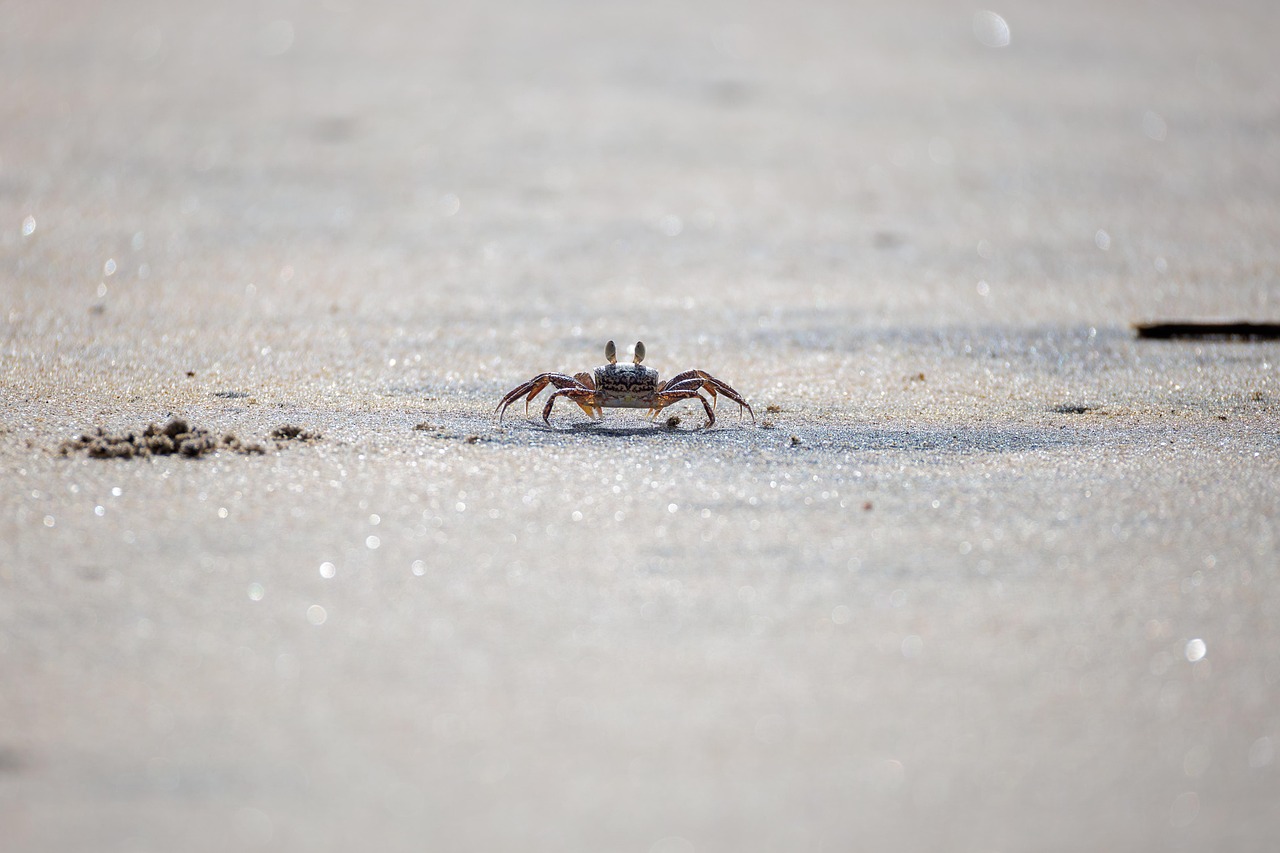
Pêche au crabe de Gaspé
Cancer irroratus : carapace triangulaire (15 cm), pinces rouges, pattes rayées. Abondant à des profondeurs de 20 à 100 m sur des fonds sableux ou vaseux.
Cycle de vie local
Pêché dans les zones 12/17 (sud/nord de la péninsule de Gaspé). Se reproduit au printemps, grandit en été. Chair délicate, grande valeur économique.
Rôle écologique
Omnivore : algues, mollusques, charognes. Proie pour les phoques et les poissons. Indicateur de la santé de l’écosystème du Saint-Laurent et du golfe du Saint-Laurent.
Mackerel
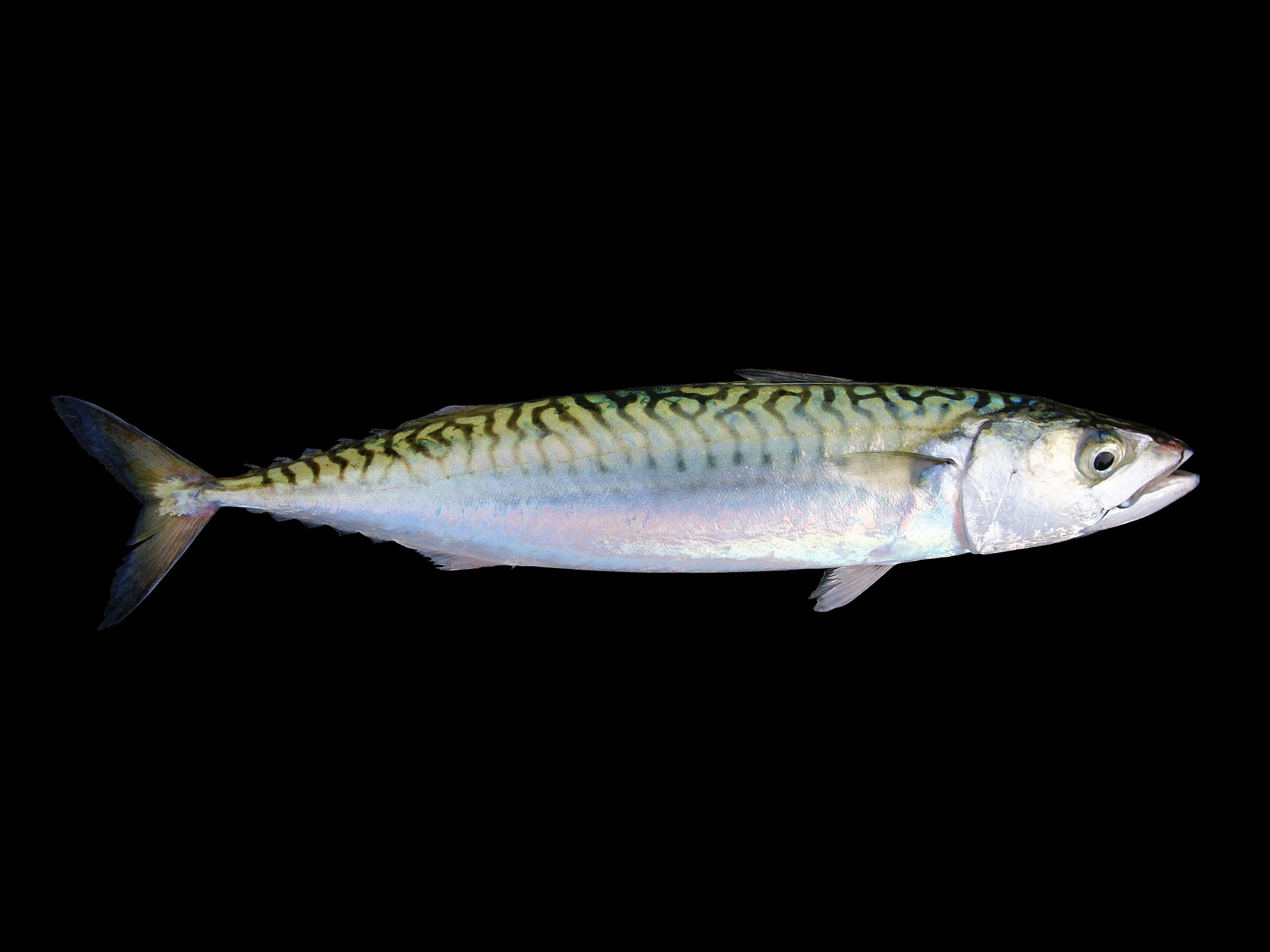
Pelagic fish of the St. Lawrence
Scomber scombrus: Streamlined blue-green body with black stripes, silvery sides (30–45 cm). Arrives in the southern Gulf in late May; spawns in June–July (1 million eggs per female).
Gaspé cycle
Migratory schools off the Matane/Percé wharves. Recreational catch limit: 20 per day (2025–26). Dives to the surface for zooplankton and small fish. No swim bladder.
Local significance
Popular inshore fish, fatty flesh rich in omega-3. Plankton health indicator: global warming affects spawning.
Striped bass
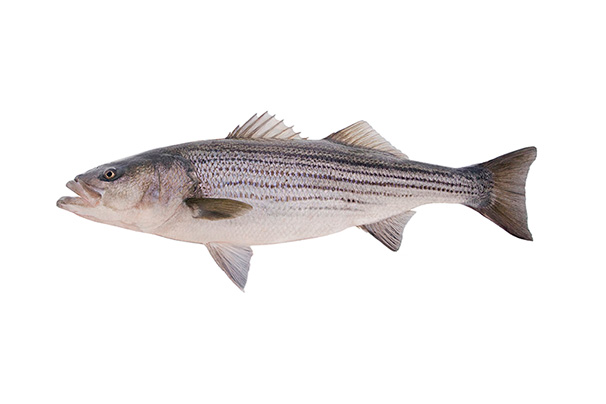
St. Lawrence Lake Trout
Morone saxatilis: Slender, silvery body with 7–8 black stripes, blue-green back, prominent mouth (60–90 cm). Anadromous: spawns in freshwater, lives in the sea.
Gaspé History
Disappeared in the 1960s (overfishing, dredging), reintroduced through Operation Renaissance (Miramichi → St. Lawrence). Population on the rise, still a threatened species.
Local Life
Summer estuarine schools in Matane-Cap-Gaspé. Carnivorous: shad, gaspareaux, crabs. Sport fishing: legendary fight.
Cod
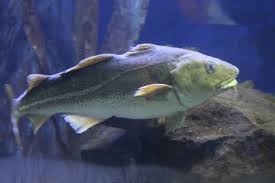
Cod: A Historic Fish of the Gaspé Peninsula
Gadus morhua: Elongated brown-green body (80–150 cm), chin barbels, 3 dorsal fins. Spawns April–June in shallow coastal waters.
Current Status
Northern Gulf stock (4RS3Pn) in critical condition: biomass ~12,000 tons (10% of the safe limit). Natural mortality ↑ (gray seals/Greenland seals), abundance indices ↓ since 2017.
Local significance
Low-TAC selective fishery. Diet: shrimp, capelin, krill. Symbol of the historic collapse of the Atlantic cod fishery.
Sand lance
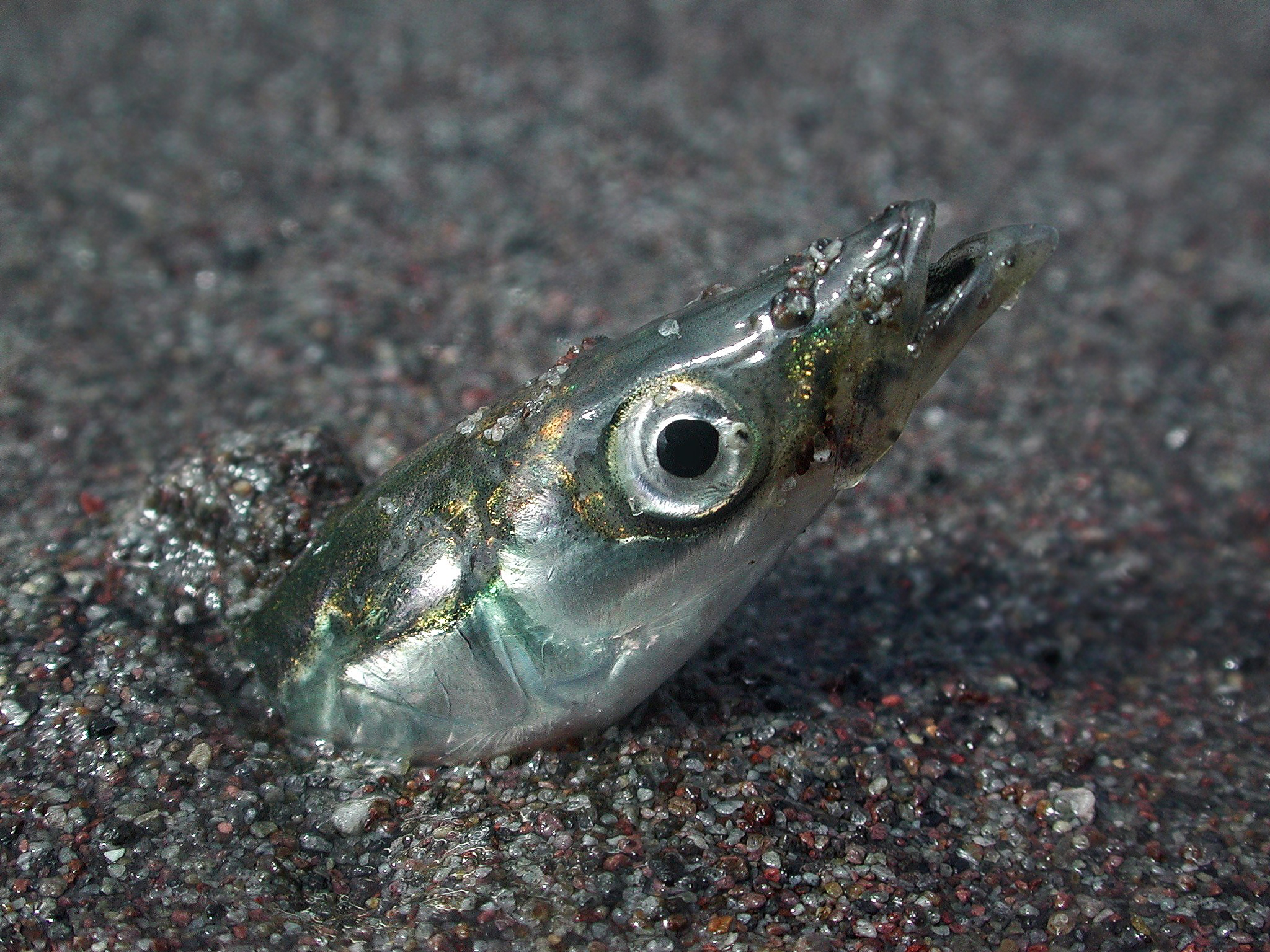
Sand lance
Ammodytes americanus: Slender, silvery body (20–25 cm), pointed head, prominent lower jaw. Blue-green back, no pelvic fins.
Life in Matane
Fine sand in Baie-des-Chaleurs, burrows at low tide. Coastal schools in summer and fall. Spawns in winter; larvae are surface plankton.
Ecological role
Major food source: prey for seabirds (guillemots), fish (striped bass), and seals. Recycles nutrients in sediments.
Smelt
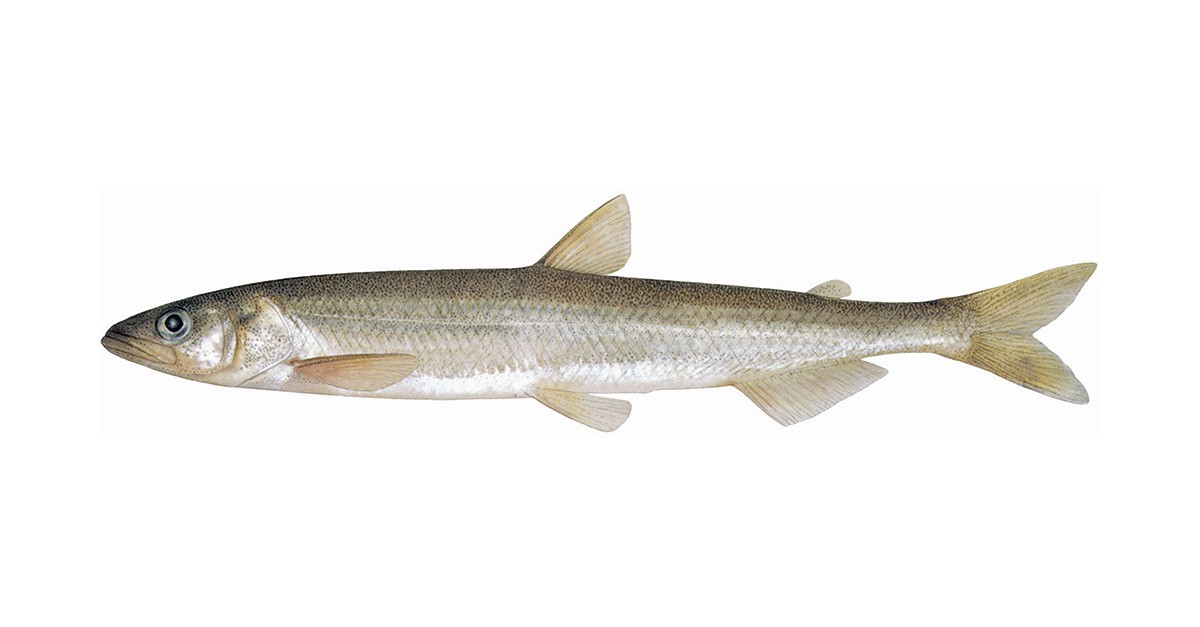
Silver smelt of the Gaspé coastline
Osmerus mordax: Slender, silvery-iridescent body (15–25 cm), green-purple back, prominent toothed mouth. Smells like fresh cucumber.
Tradition in Matane
Spring spawning in rivers/estuaries (April–June). “Salbade” fishing with dip nets on popular wharves. Sweetened in winter (with glycerol antifreeze).
Ecological role
Amphidromous: sea → river to spawn. Prey for birds/diving ducks, striped bass. Vulnerable population in the southern estuary.
Capelin
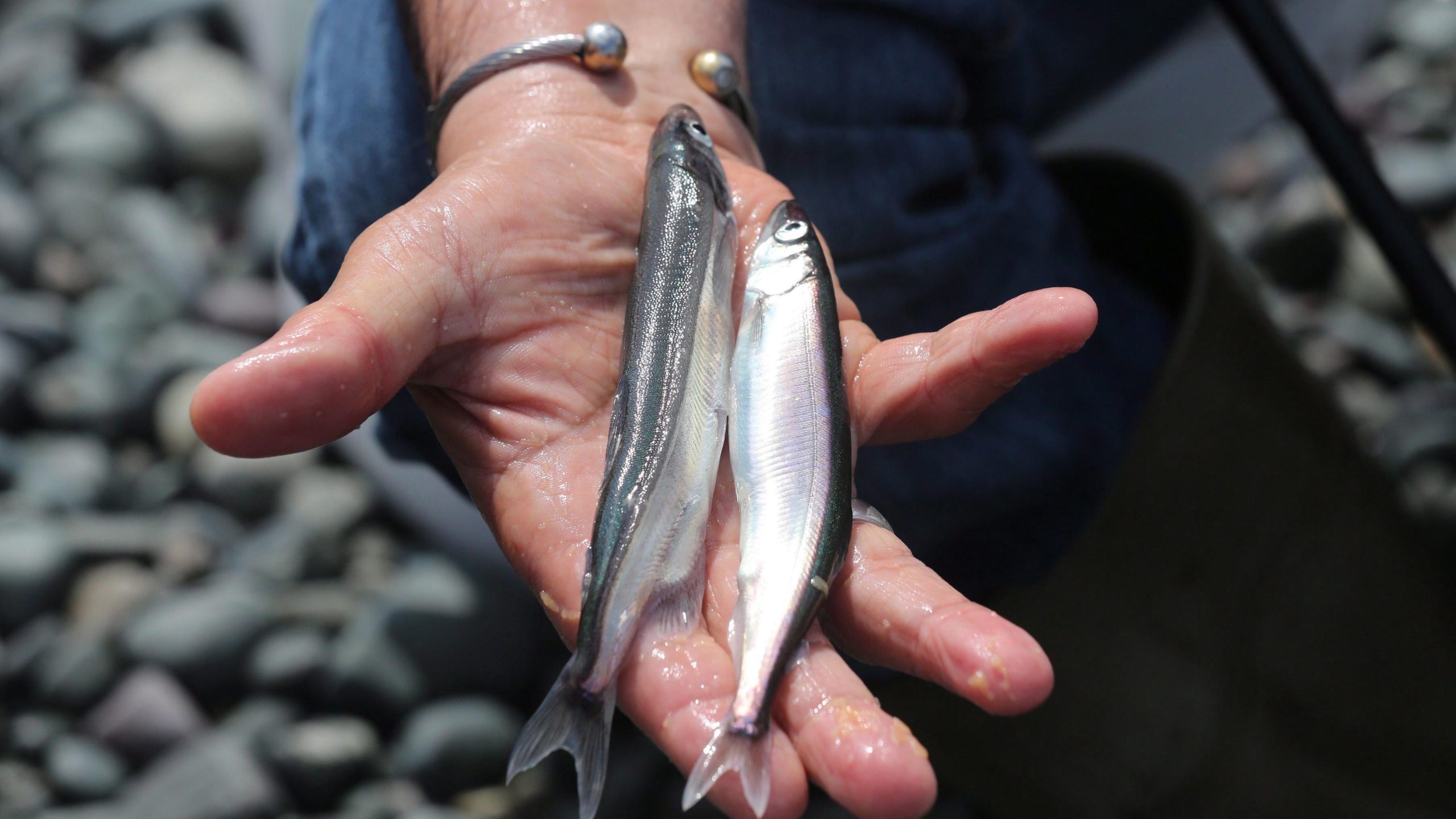
Small beach fish
Mallotus villosus: Slender, silvery body (15–20 cm), blue-green back, long pectoral fins. Spawns on sandy shores in May–June.
Matane Tradition
“Rolling capelin”: Schools follow the waves, washing up on beaches (Baie-des-Chaleurs). Fished on foot with a dip net, no license required. Lasts only 2–3 days!
Ecological Role
Essential food source for seabirds, seals, and striped bass. Eggs stabilize the sand and kickstart the coastal food chain.
Chaboisseau
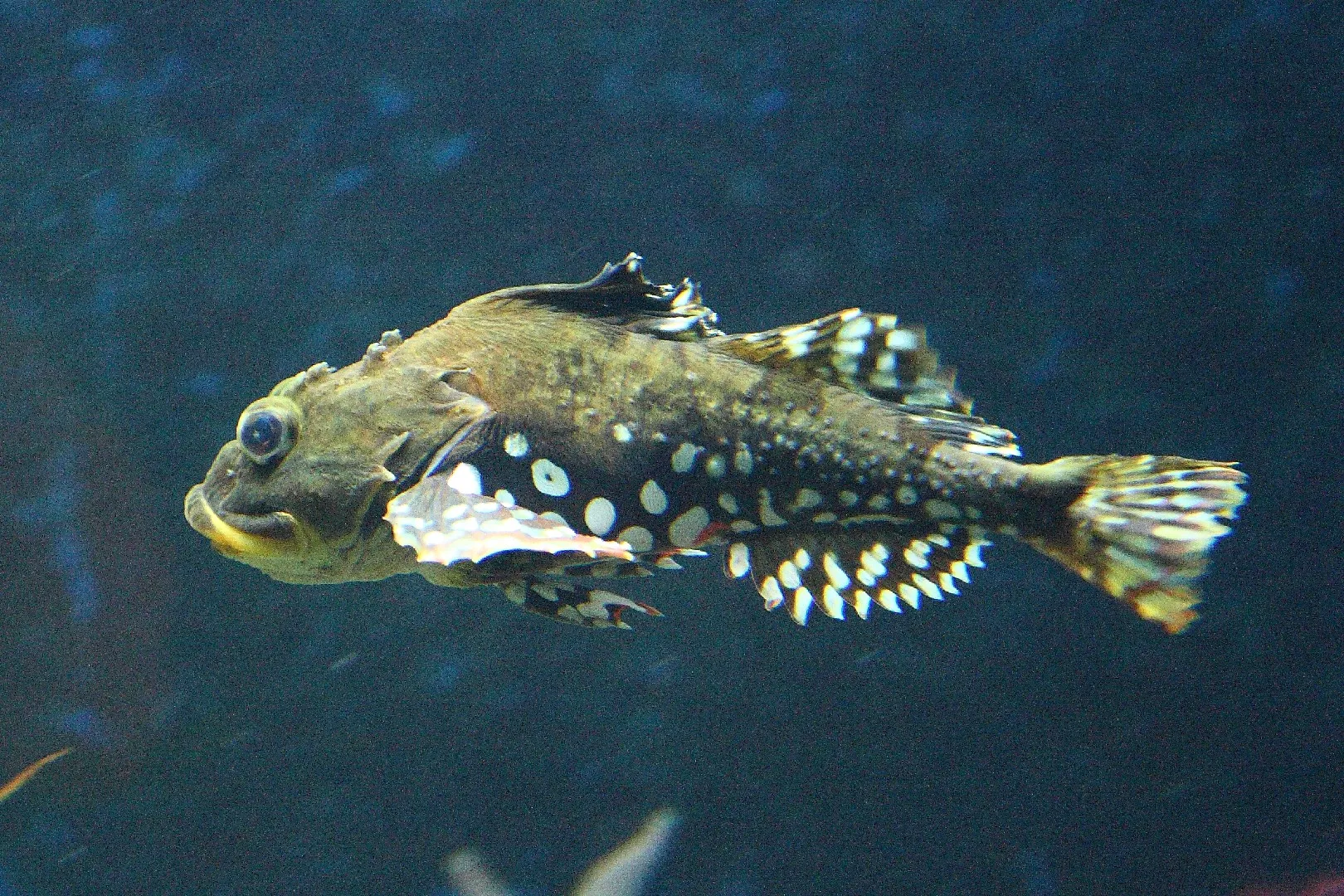
Traditional Summer Fishing
The chaboisseau (Tautogolabrus adspersus) is a greenish-brown fish (20–40 cm) found on rocky coastal bottoms. A popular summer catch along the piers and beaches of Sainte-Félicité-Matane: line fishing, sabiki rigs.
Characteristics
Small mouth, molar teeth (crushes shells), striped back. Omnivorous: crabs, shrimp, seaweed. Firm flesh prized when fried or stuffed.
Location
Abundant in the St. Lawrence Estuary and Baie-des-Chaleurs. Spawns in summer; accessible for recreational fishing without a license (bag limit applies).
Common porpoise
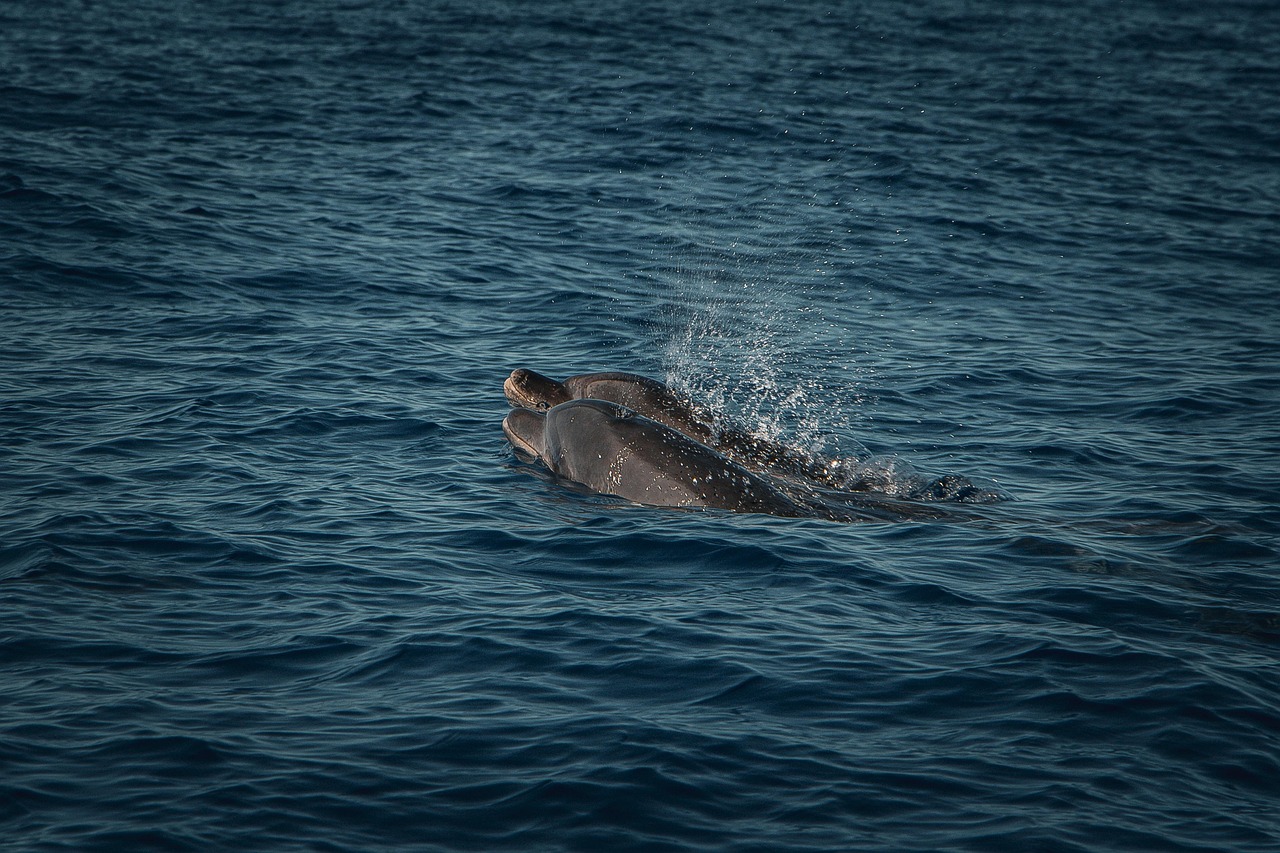
A Discreet Cetacean of the St. Lawrence
Phocoena phocoena: 1.5–1.8 m, stocky dark gray body, black back, white belly. Small triangular dorsal fin, no pronounced beak. Groups of 2–10 individuals.
Presence in Sainte-Félicité
Cold coastal waters (<16°C), estuaries, Matane-La Matanie harbors in summer and fall. Feeds on capelin, sand lance, and krill. Discreet blow, stealthy swimming.
Local Status
Northwest Atlantic population: ~20,000 in the Gulf. Threatened by entanglement, noise, and pollution. Lifespan 15–20 years, annual reproduction.
Minke whale
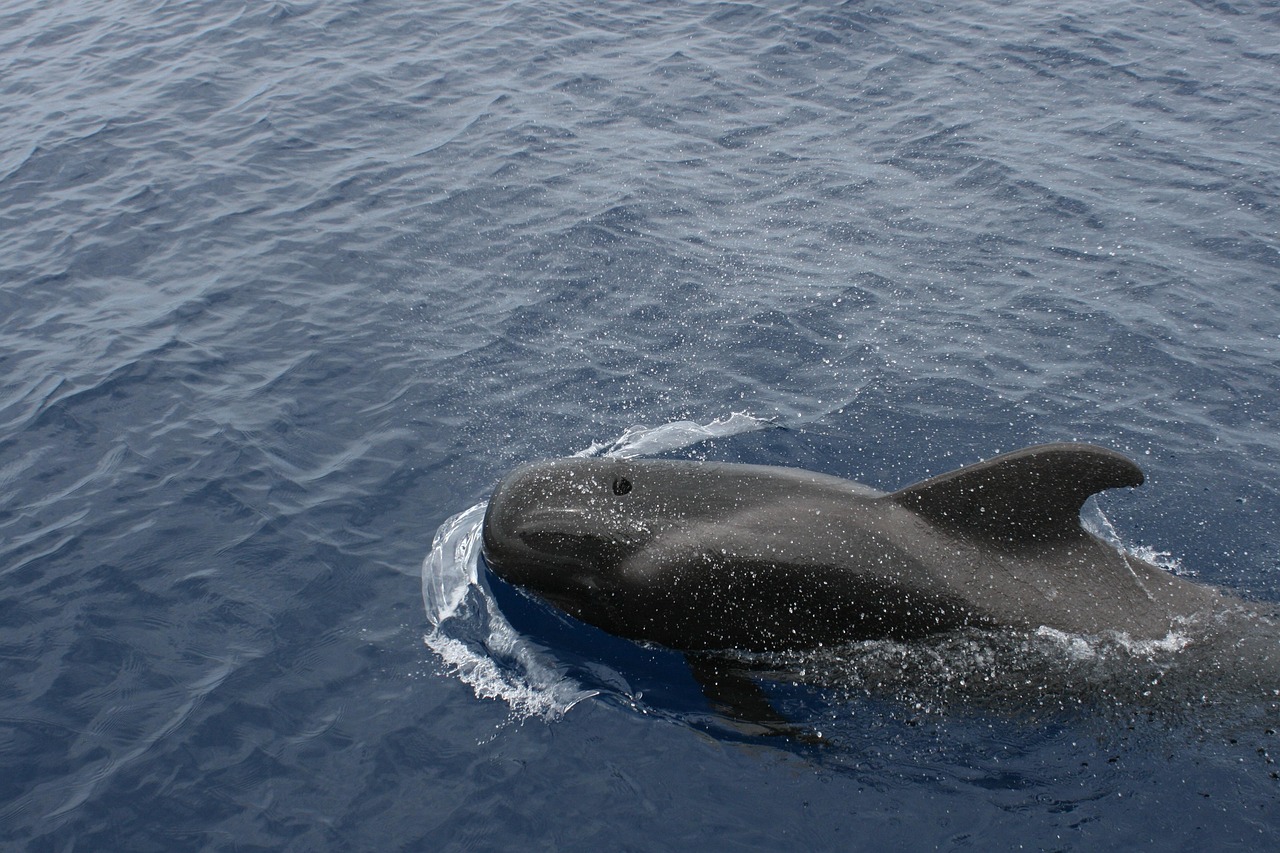
Smallest rorqual in the St. Lawrence
Balaenoptera acutorostrata: 6–9 m, black back, white belly, short baleen plates (300–350). Visible white pectoral fin. Spectacular breaches at the surface.
Presence in Matane/Sainte-Félicité
March–December in coastal waters of the estuary/gulf. Found in the Laurentian Channel and at the mouth of the Saguenay. Feeds on capelin, krill, and sand lance near the coast.
Local behavior
Acrobatic hunting maneuvers (bubbles/spirals). Mostly females feeding prior to calving. ~1,000 in the gulf per year.
Hooded seal
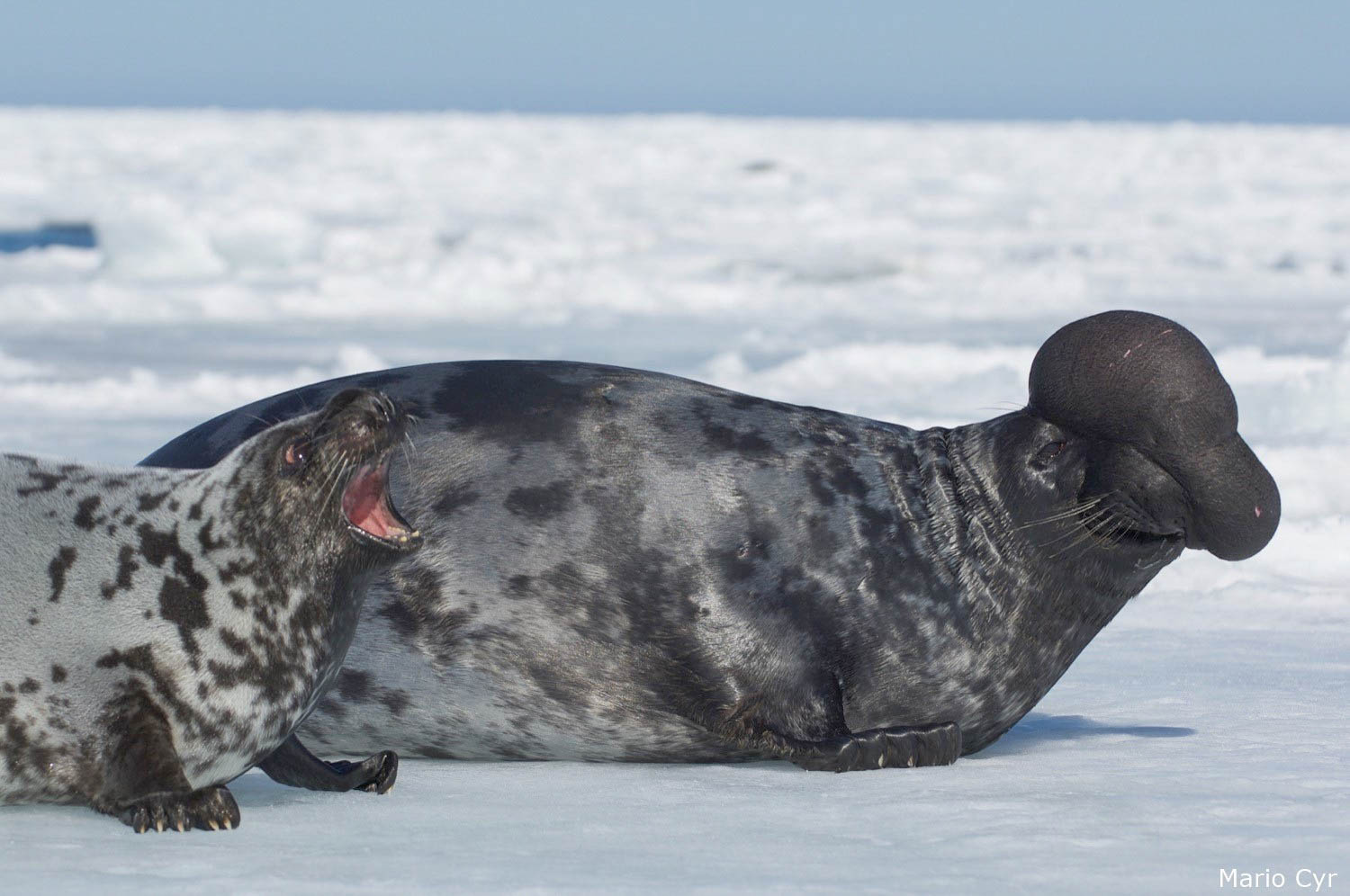
Migratory Arctic Giant
Cystophora cristata: 2.3–3 m, 300–400 kg. Silvery-gray body with black spots; males develop a red, inflatable nasal flap (hood) starting at age 4. Powerful webbed feet.
Presence in the St. Lawrence
Winter (Feb–March): Gulf ice floes (Baie-des-Chaleurs, southern Gaspé Peninsula). Rapid birthing (4 days); young have bluish, woolly “blue backs.” Migrates north in spring.
Local Life
Dives for 15 min (1,000 m), feeds on fish and bottom-dwelling crabs. Solitary except during breeding. Rare and shy in Matane; territorial males are aggressive.
Greenland seal (winter presence)
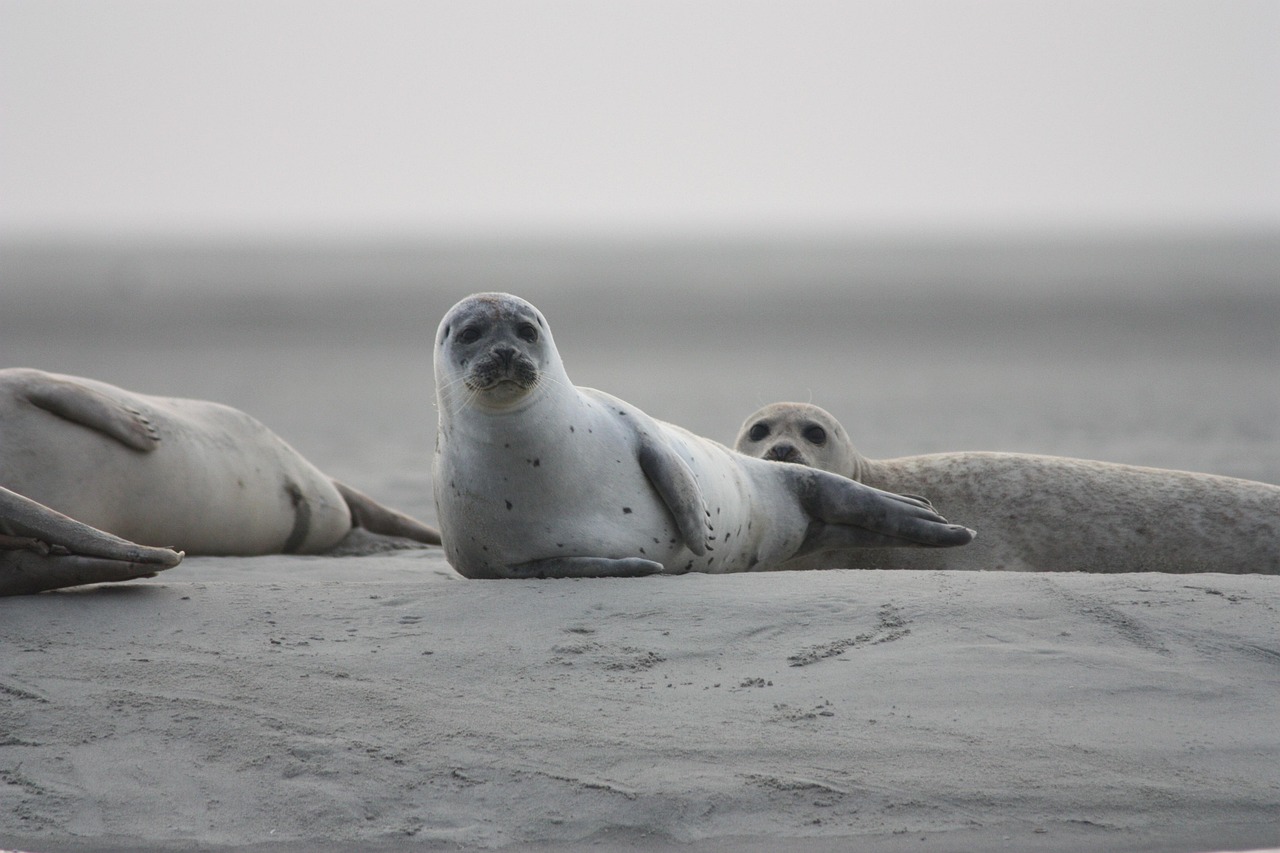
Arctic Winter Visitor
Pagophilus groenlandicus: 1.7–1.9 m, 120–150 kg. Silvery, spotted body; newborn pups (“blanchons”) are white and downy (11 kg). Males growl during mating season.
Presence in the St. Lawrence
October–March: migrates upriver (Tadoussac → Gulf), gives birth on pack ice near the Magdalen Islands in late February. Depends on stable ice; females abandon the beach.
Impact of global warming
Late ice → giving birth in Newfoundland or pup mortality (coyotes, drowning). Observed in Matane/Sainte-Félicité during mild winters; vulnerable to climate change.
Gray seal
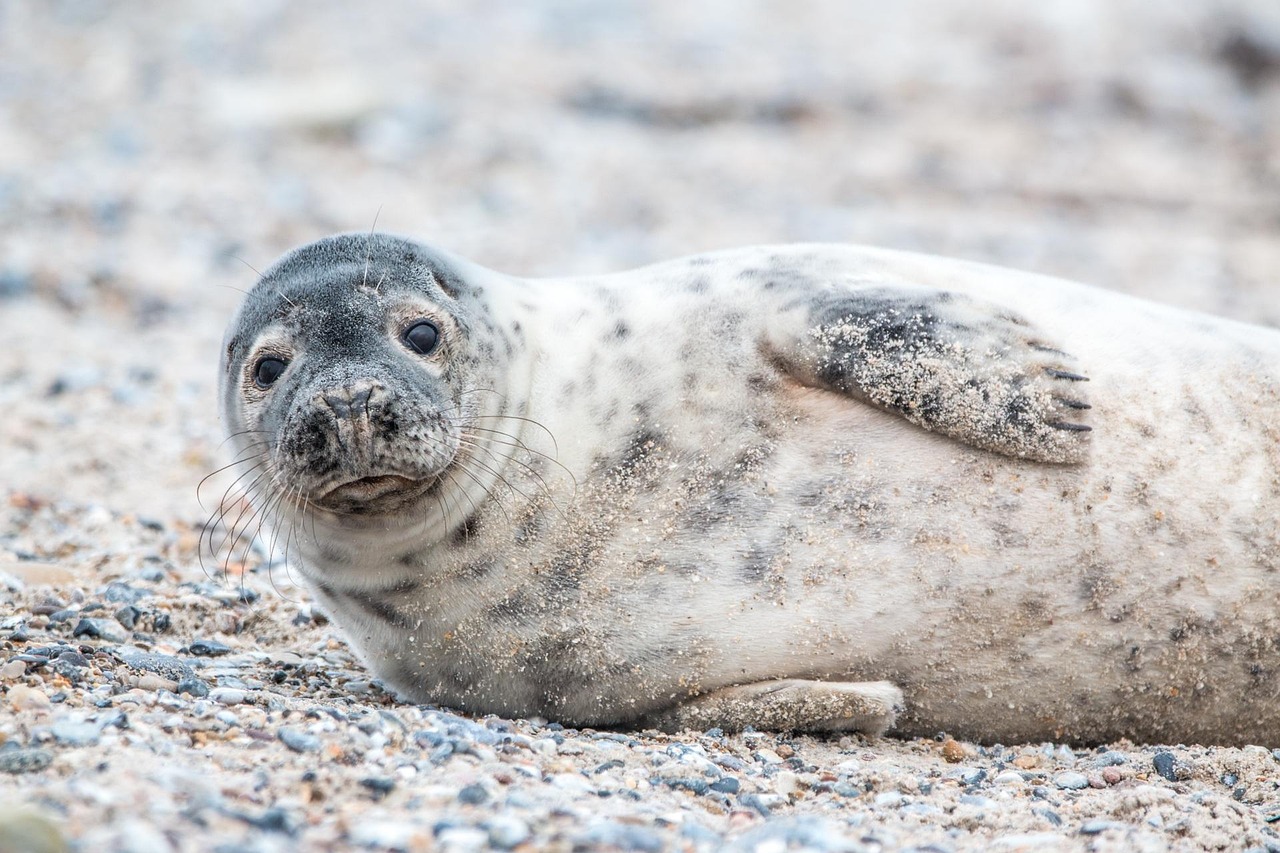
Giant of the Gaspé Coast
Halichoerus grypus: 1.8–2.3 m, 150–230 kg, horse-like head with a long snout, gray coat with black spots. Males bellow, females whistle.
Presence in the St. Lawrence
Permanent resident, dominant in the Gulf (44,000 in 2017). Rivière-du-Loup → Percé, stranding sites at Matane/Sainte-Félicité rocks. Active hunting in spring and fall.
Local Life
Freediving champion: 30 min, 300 m depth. Diet: bottom-dwelling fish (cod, haddock), crabs, lobsters. Growing population, impacting fish stocks.
Common seal
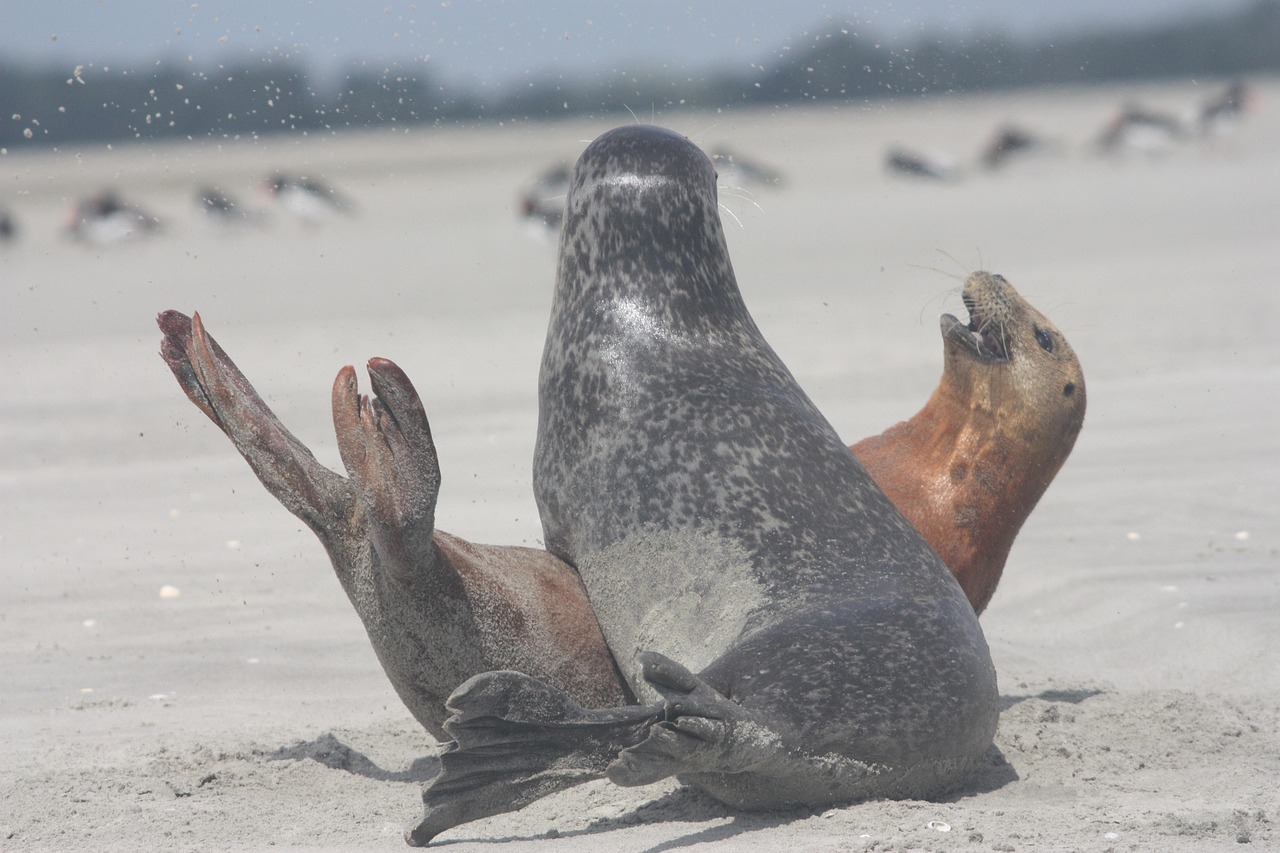
Permanent resident of the St. Lawrence
Phoca vitulina concolor: 1.5–1.8 m, stocky, spotted gray body, round “cat-like” head, V-shaped nostrils. Solitary except at resting sites, ~4,000–5,000 in the estuary/gulf.
Presence at Sainte-Félicité
Rocks and beaches of Matane-La Matanie in summer. Feeds on capelin, sand lance, and crabs. Holds its breath for 10–15 minutes; swimming speed 20 km/h.
Local Ecology
Sedentary, shy (flees when approached). Stable population; threats: entanglement, PCB contamination. Lifespan 20–30 years.