Seabirds and maritime plants
Maritime Vetch
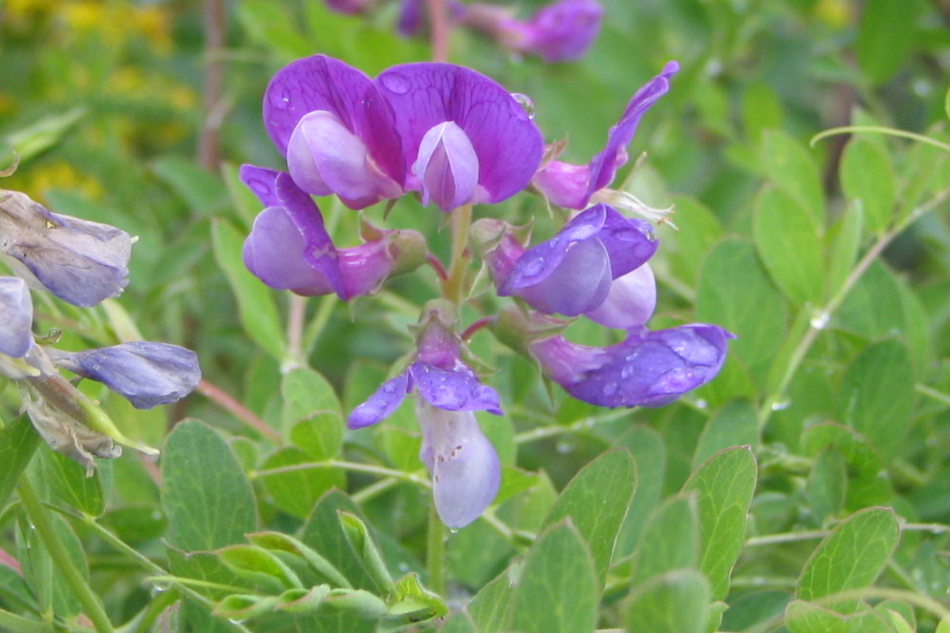
Sea Vetch
A pioneer plant of the dunes
Sea vetch (Lathyrus japonicus) is a perennial plant found along the Gaspé coast. Its clusters of purple flowers (15–20 mm) attract pollinators. It has creeping stems, elliptical leaves, and tawny pods.
Key ecological role
Fixes nitrogen in the soil through symbiotic bacteria, enriching poor sandy soils. Stabilizes dunes and promotes the establishment of other native plants of the Gaspé–Îles-de-la-Madeleine region.
Local habitat
Abundant on the beaches of La Pointe (Rocher-Percé, Côte-de-Gaspé) and Baie-des-Chaleurs. Protects the windy coasts of the Gulf of St. Lawrence.
Round-leaved Campanulas
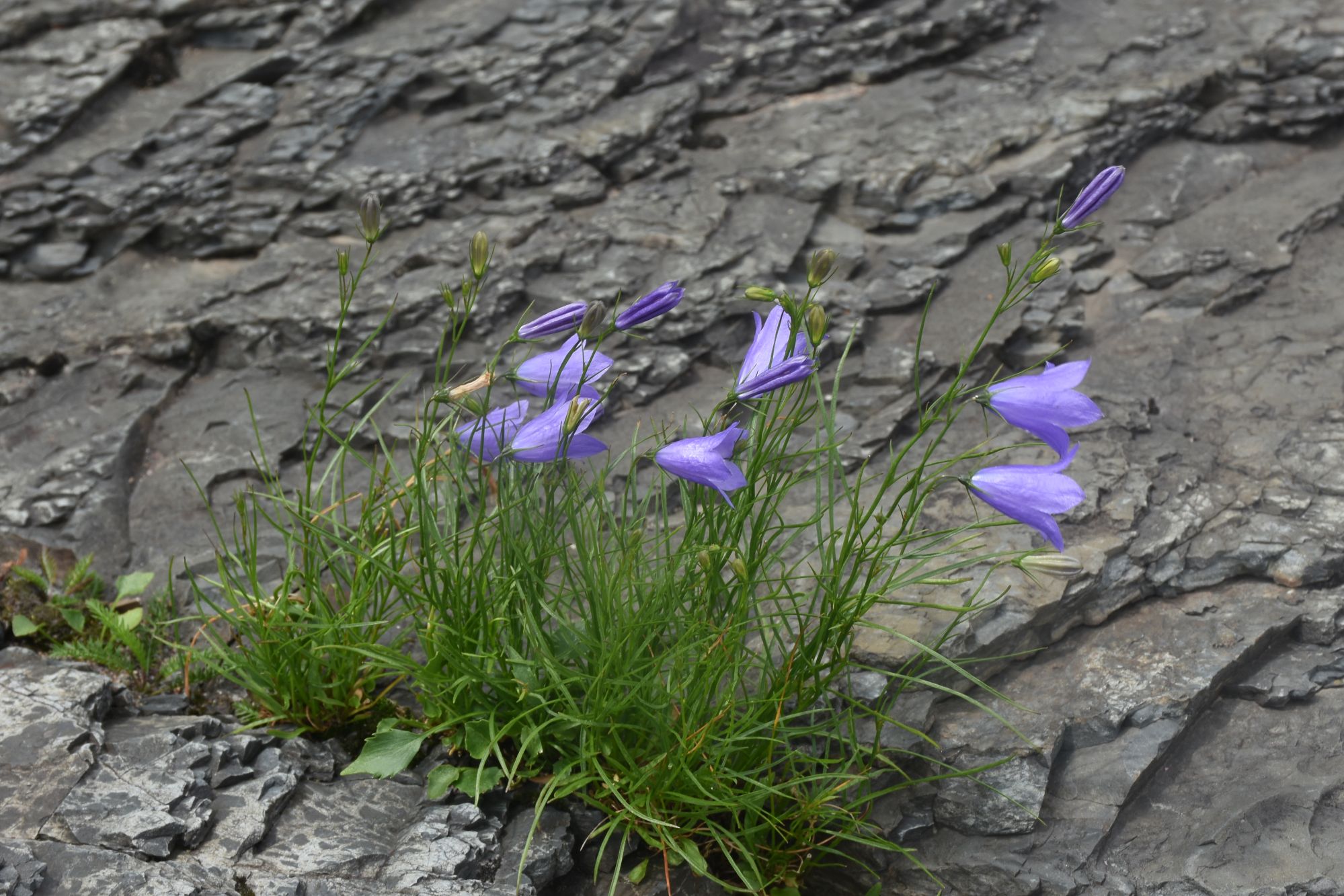
Flower of the Gaspé Cliffs
Campanula rotundifolia: A perennial with blue-violet bell-shaped flowers (May–October). Slender stems (15–60 cm), round basal leaves, linear cauline leaves.
Local Habitat
Rock gardens, coastal cliffs, dry grasslands, and seashores in the Gaspé Peninsula. Prefers poor, well-drained, sunny soils. Native to Quebec.
Ecological Role
Attracts bees and bumblebees. Stabilizes rocky soils; indicator of open habitats.
Common barnacles
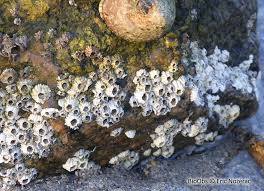
Coastal Rock Crustaceans
Semibalanus balanoides: Conical calcareous shells (1 cm), plankton filter feeders. Colonize rocks and jetties in the Gaspé Peninsula (Forillon, Percé).
Adapted Life Cycle
Attachment in spring, growth in summer, release of larvae in fall. Resistant to storms and low tides in the Gulf of St. Lawrence.
Ecological role
Base of the food chain (sea slugs, starfish). Indicators of marine pollution, abundant in Chaleur Bay.
Troscart Maritime
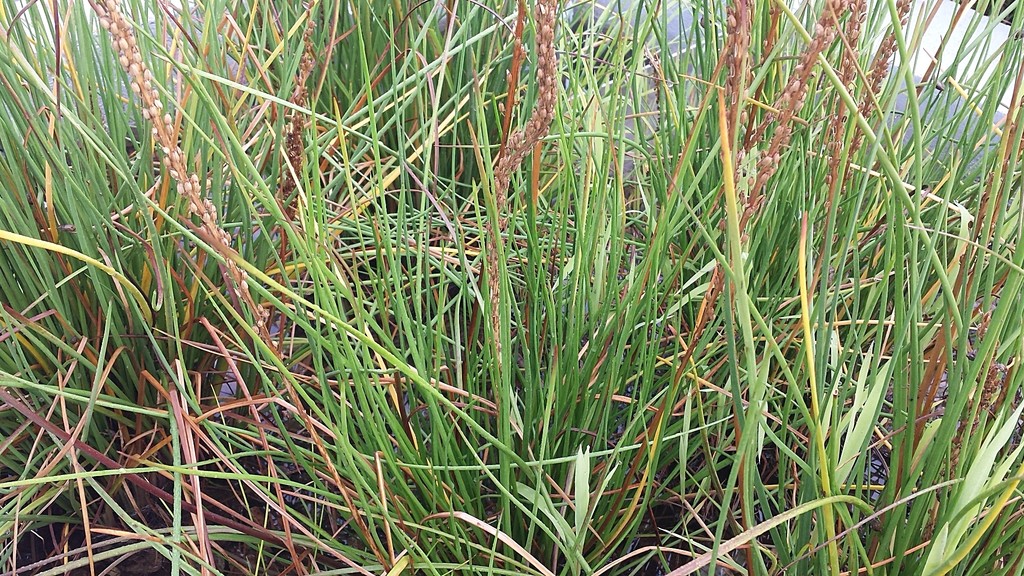
Rare salt marsh plant
Triglochin maritima: A perennial herb (20–50 cm) found in coastal wetlands of the Gaspé Peninsula. Compact green spikes (June–August), narrow, fleshy leaves.
Local habitat
Brackish marshes, estuaries, and mudflats of the Gaspé Peninsula (from Ristigouche to Cap-Gaspé). Tolerates salt and periodic flooding.
Conservation status
Threatened/vulnerable species in Quebec. Indicates the quality of coastal wetlands; protected in certain priority sites.
Sea plantain
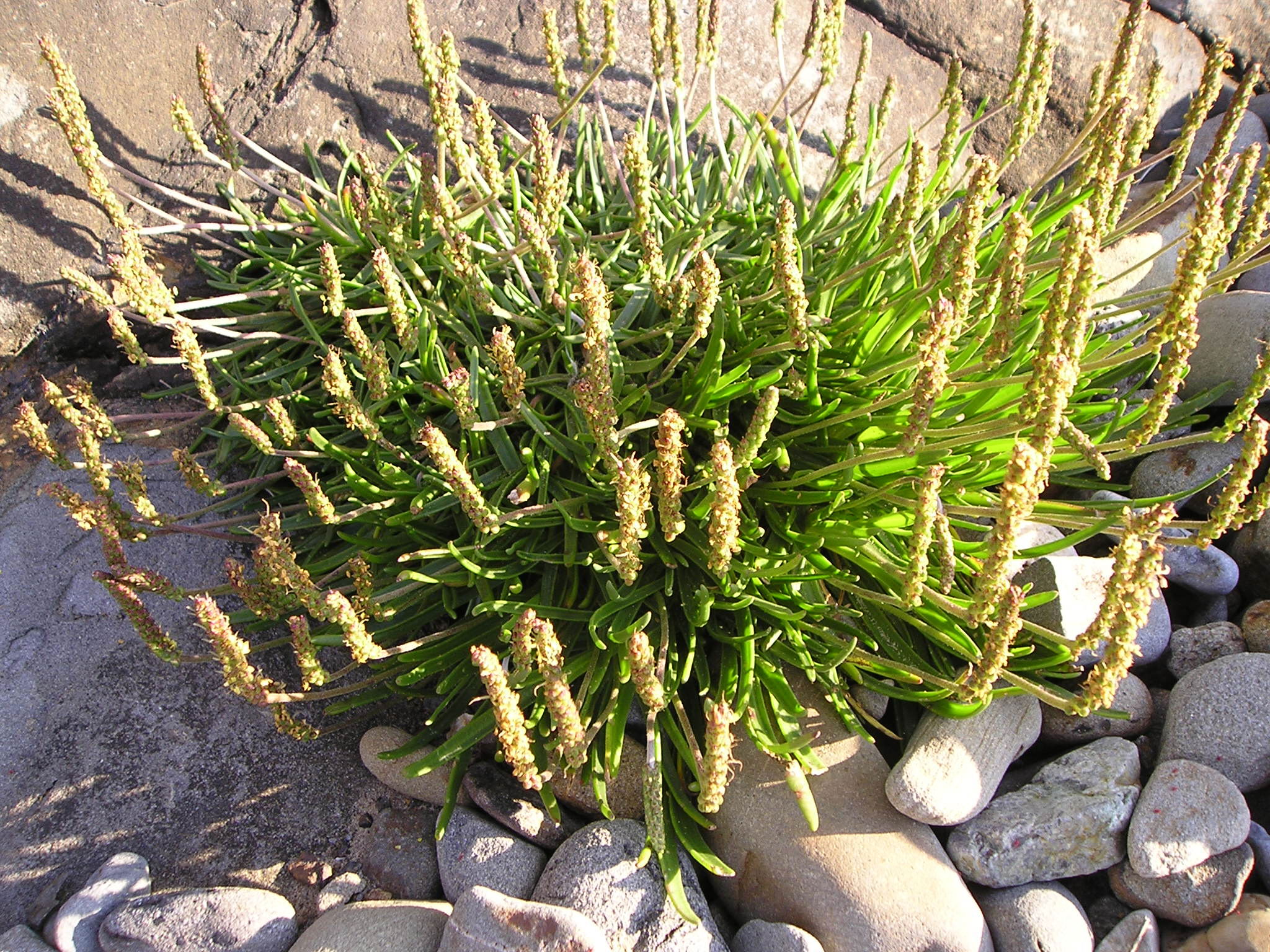
Salt marsh plantain
Plantago maritima: Perennial (10–40 cm), fleshy, spatulate leaves, compact green spikes (May–Sept.). Tolerates salt and submersion.
Gaspé habitat
Salt marshes, coastal mudflats, estuaries (Baie-des-Chaleurs, Forillon). Stabilizes sediments, withstands sea winds.
Local use
Edible, salty leaves, traditionally used. Indicates the quality of coastal wetlands.
Scottish lovage
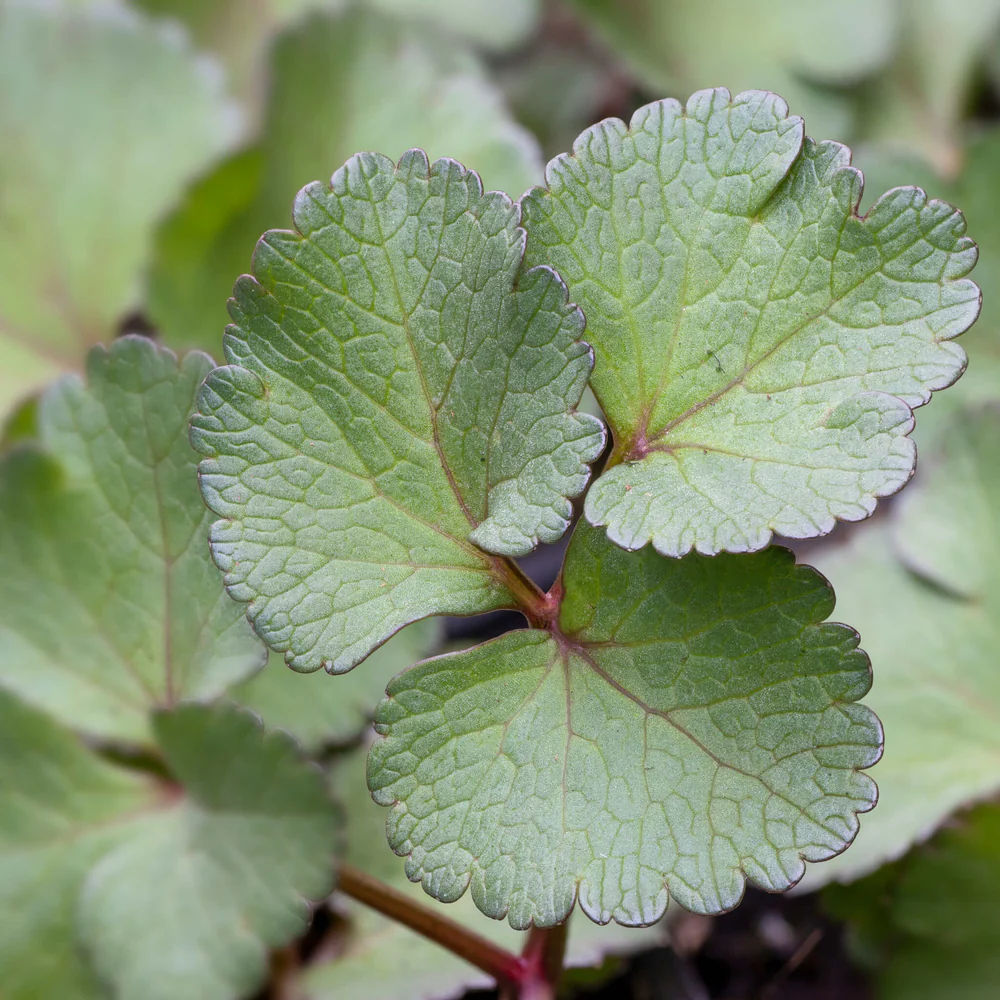
Gaspé Sea Parsley
Ligusticum scoticum: Perennial (50 cm) with fragrant, deeply lobed leaves (celery/parsley scent) and white umbels (July). Stems are green-red striated.
Coastal habitat
Rocks, cliffs, brackish sands of the Gulf of St. Lawrence and estuary (Gaspé to Montmagny). Tolerates sea spray and moist soils.
Local uses
Aromatic leaves for soups, fish, and salads. Inuit/Alaskan tradition. Edible, medicinal (digestive).
Iris with pointed petals
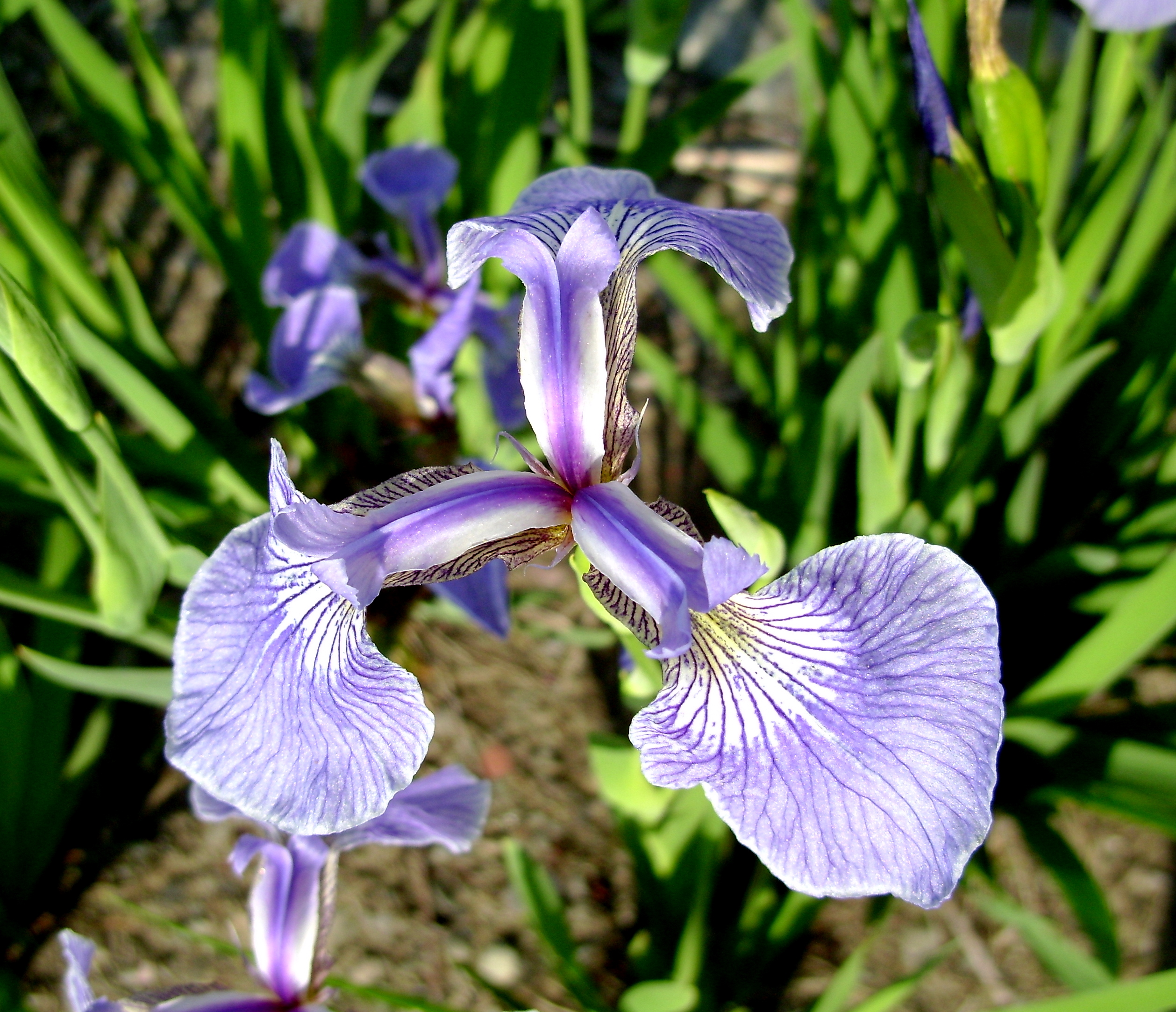
Coastal Cliff Iris
Iris hookeri: A perennial (30–50 cm) with blue-violet flowers (June–July). Short, pointed petals; broad sepals that are less yellow than those of the variegated iris.
Gaspé Habitat
Rocky crevices, sandy shores, windy cliffs of the Gulf of St. Lawrence (Lower St. Lawrence to Labrador). Dry coastal areas.
Local Characteristics
Glacial relict from Asia/Alaska. Differs from Iris versicolor in its dry vs. moist habitat. Hybrids sometimes occur in the Gaspé Peninsula.
Ring-billed Gull
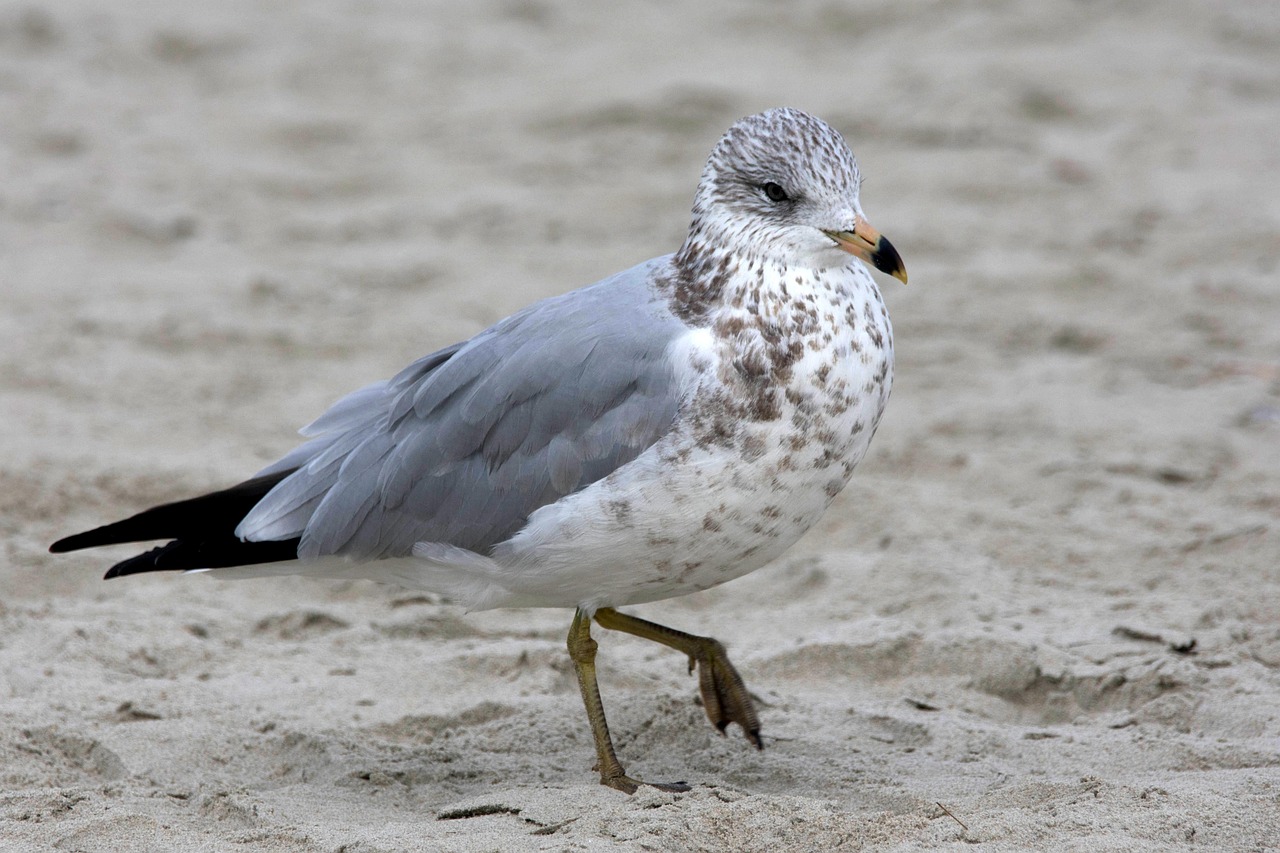
St. Lawrence City Gull
Larus delawarensis: 46 cm, gray back, yellow bill with a black ring (adult). Nests in colonies on islands, beaches, and rooftops (April–June).
Gaspé Peninsula presence
Abundant along the river (Beauharnois-Blanc-Sablon), estuaries, and landfills. Population has exploded since 1900 (123,000 pairs in Quebec).
Local adaptation
Opportunistic: feeds on garbage, fish, and insects. Migrates south in winter, sometimes wintering in the Great Lakes. Competes with terns.
Loon Dive
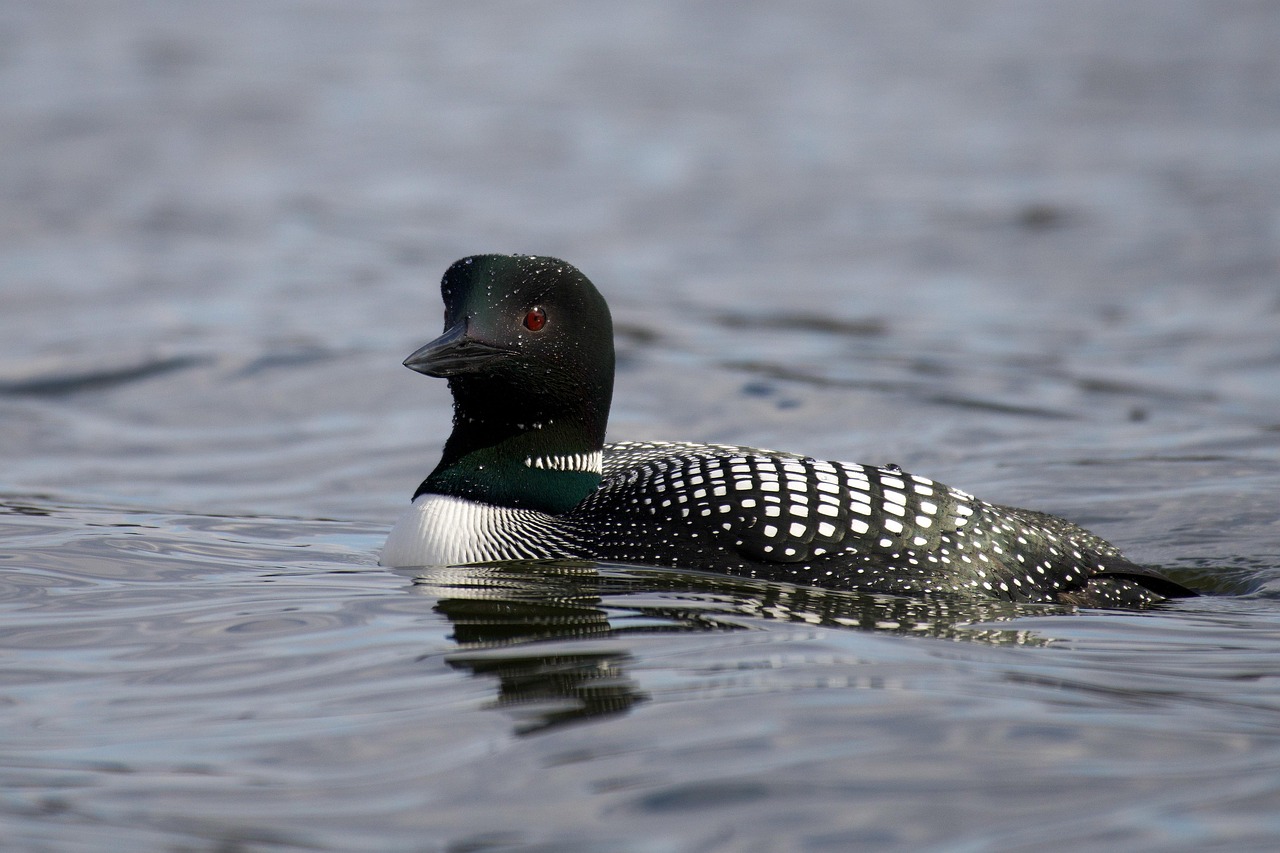
Iconic lake bird
Gavia immer: 70–90 cm, striking black-and-white plumage, dagger-shaped bill. Melancholic call at dusk (April–Oct.). Expert diver and fisher (perch, smelt).
Presence in the Gaspé Peninsula
Inland lakes, coastal bays (Gaspé, Forillon). Nests in isolated pairs on sheltered shores. 94% of the global population nests in Canada.
Conservation status
Vulnerable (mercury, acidity, disturbances). Quebec symbol, monitored annually by the Canadian inventory. Coastal winter migration (Florida-Mexico).
Male and female eider ducks
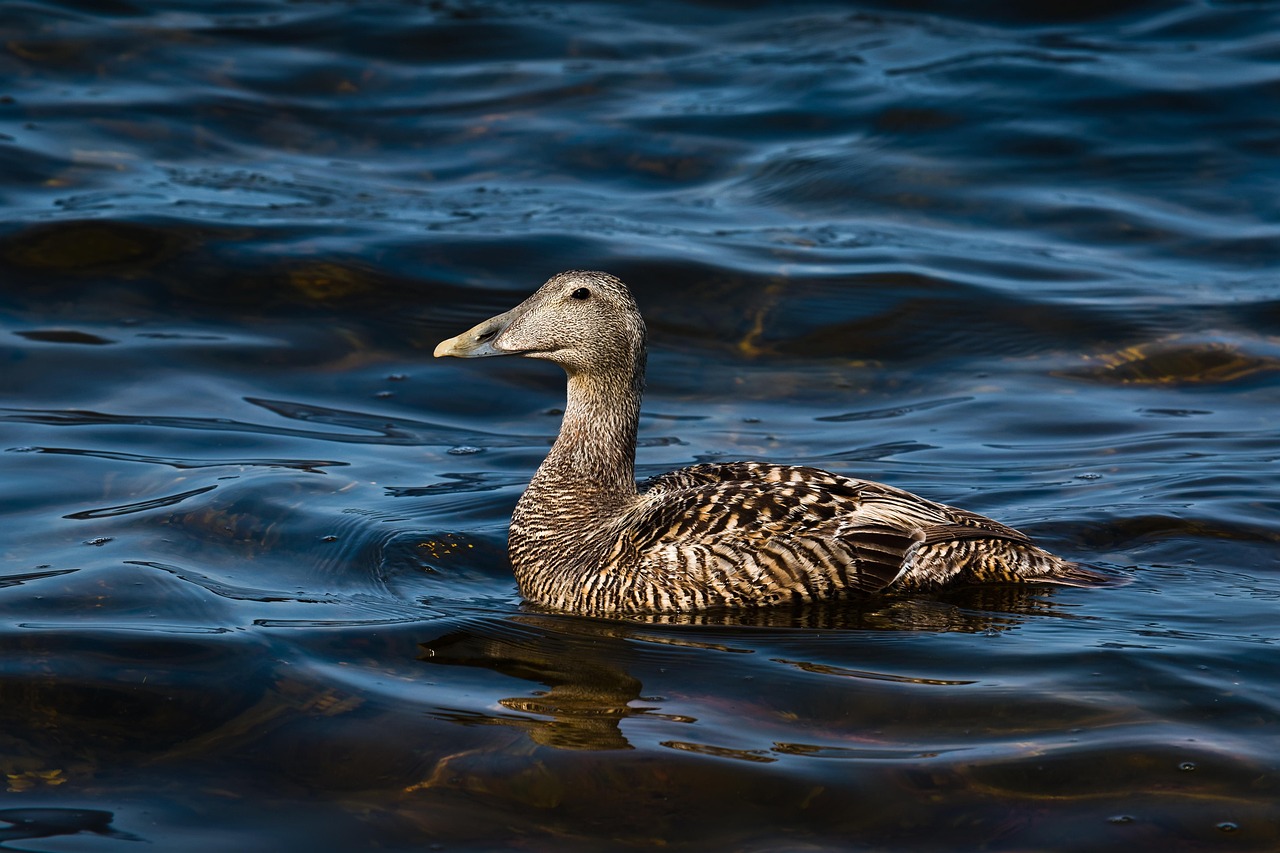
Gulf Scoter
Somateria mollissima: 50–71 cm. Male: contrasting white and black plumage, black crown, green nape, prominent yellow bill. Female: brown with barring, providing camouflage at the nest.
Gaspé Cycle
Nests in colonies on coastal islands (Forillon-Percé, May-June). Down insulates eggs. Dives for mussels and crabs; migrates south for the winter.
Local Significance
Down traditionally harvested (for insulating mattresses). Symbol of the Magdalen Islands. Threatened by predators and pollution.
Black duck
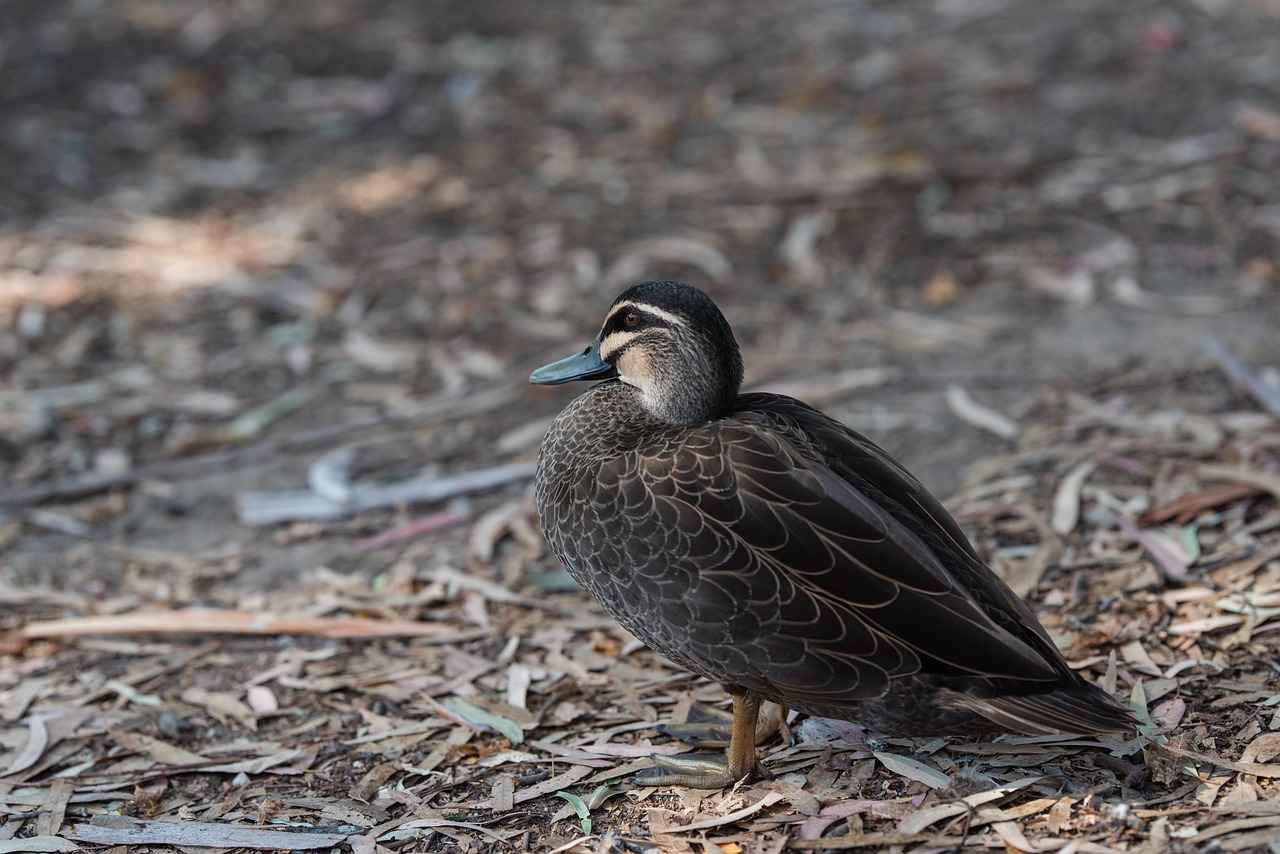
Chocolate-brown Marsh Duck
Anas rubripes: 54–64 cm, chocolate-brown plumage, almost black. Paler head; male has a yellow bill, female a pale green bill. Blue-violet wing mirror edged with black.
Gaspé Habitat
Marshes, forest ponds, St. Lawrence River banks (except the agricultural highlands of Gaspé). Abundant fall migration to Baie-des-Chaleurs.
Local Life
Frequent hybrid with Mallard. Dabbler (plants, insects). Declining population due to hunting and hybridization.
Black-tailed Gull
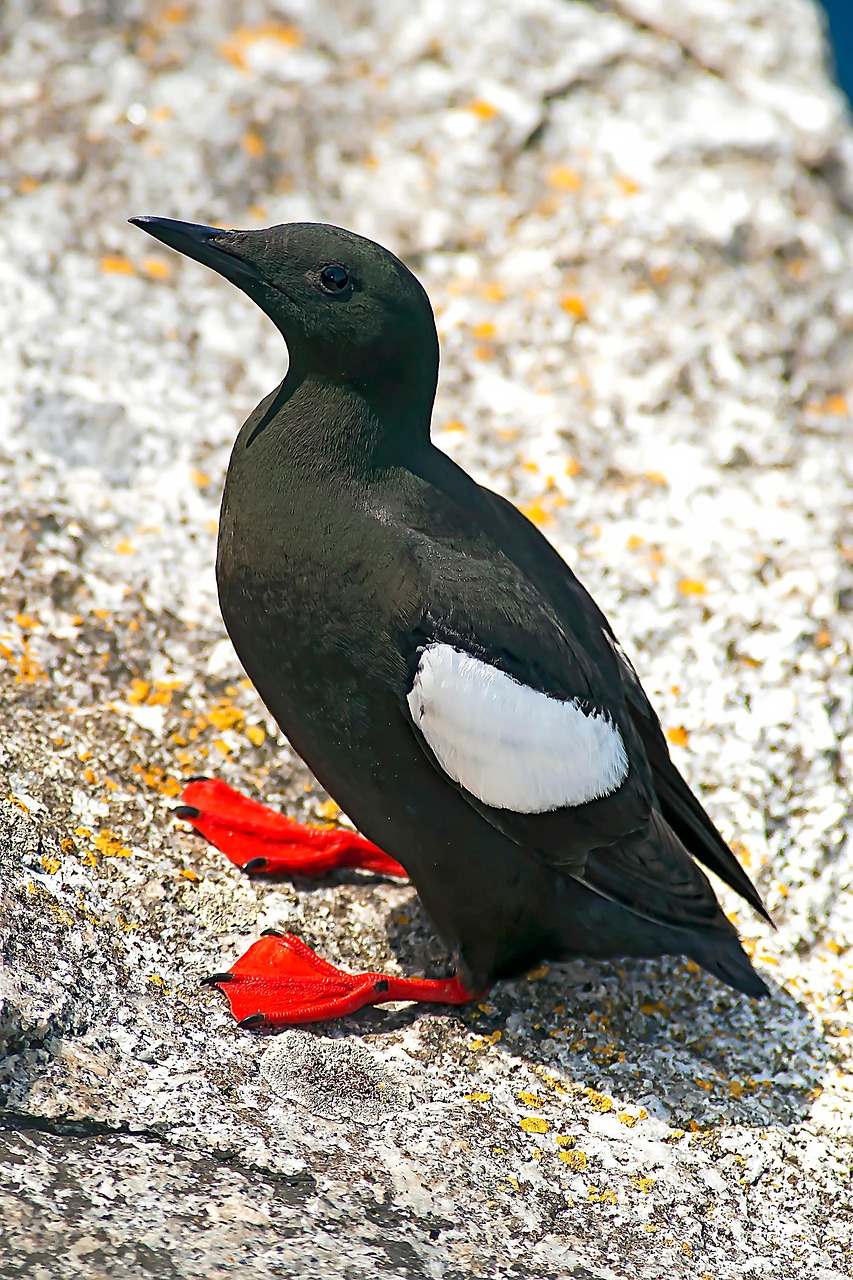
Black Guillemot
Cepphus grylle: 33 cm, black summer plumage + visible white wing spots in flight. Red legs, slender bill. Winter: white underparts, gray back.
Habitat in the Gaspé Peninsula
Coastal cliffs, scree slopes, islands (Bonaventure, Percé, Magdalen Islands). Small colonies in rocky crevices May–Sept. Feeds on capelin near the coast.
Local life
Dives to a maximum depth of 40 m, broods 2 eggs (34–39 days). Emblem of COGaspesie. Colonies accessible by boat in summer.
Great Blue Heron
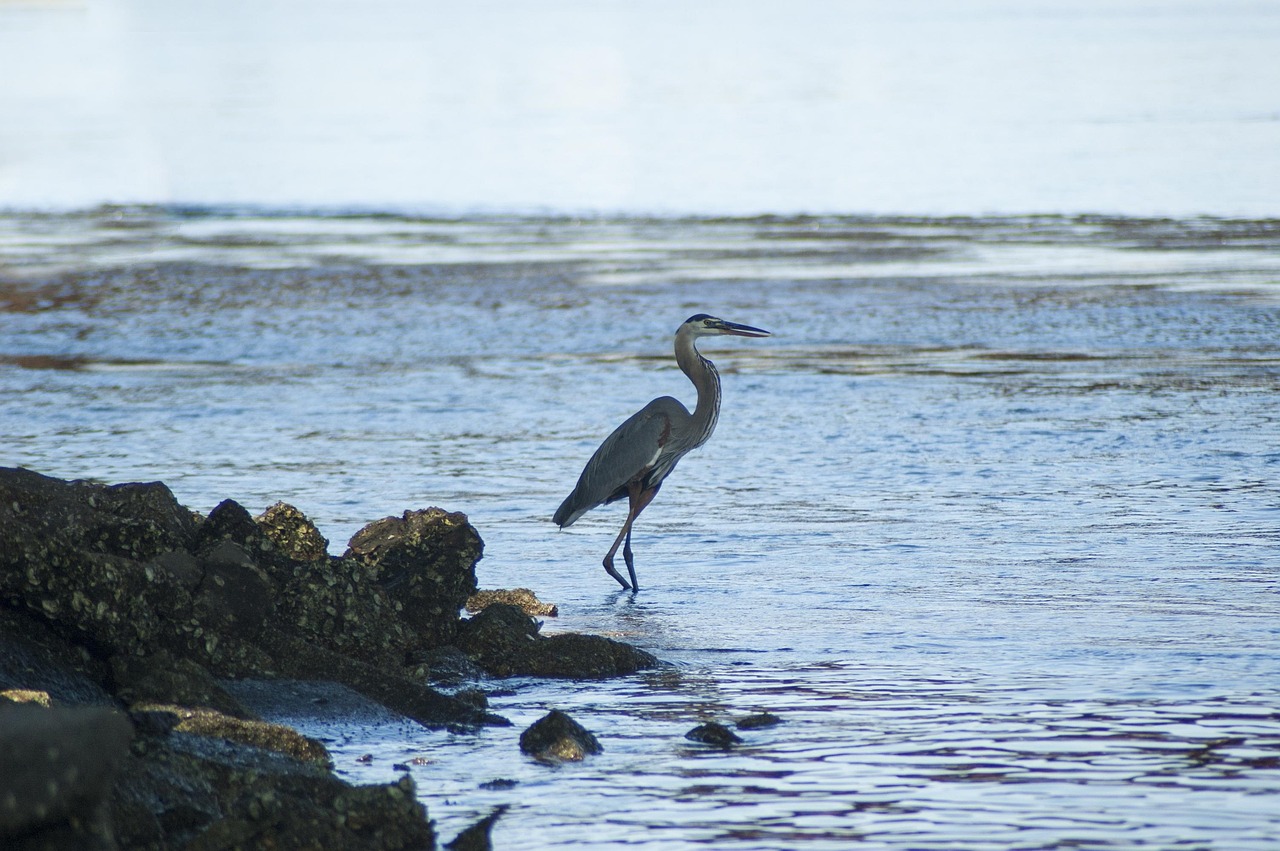
Great Blue Heron
Ardea herodias: 115–130 cm, long wings, neck, and bill; gray-blue plumage; white head with black feathers; yellow eyes. Stands motionless → catches fish (smelt, eel).
Gaspé Peninsula presence
Marshes, estuaries, shores of the St. Lawrence River/Bay of Chaleur. Nesting colonies (wooded islands) April–August. Migrates south in the fall.
Local behavior
Solitary while fishing, noisy during breeding season. Lifespan 17 years. Symbol of Quebec’s wetlands.
Great Black-backed Gull
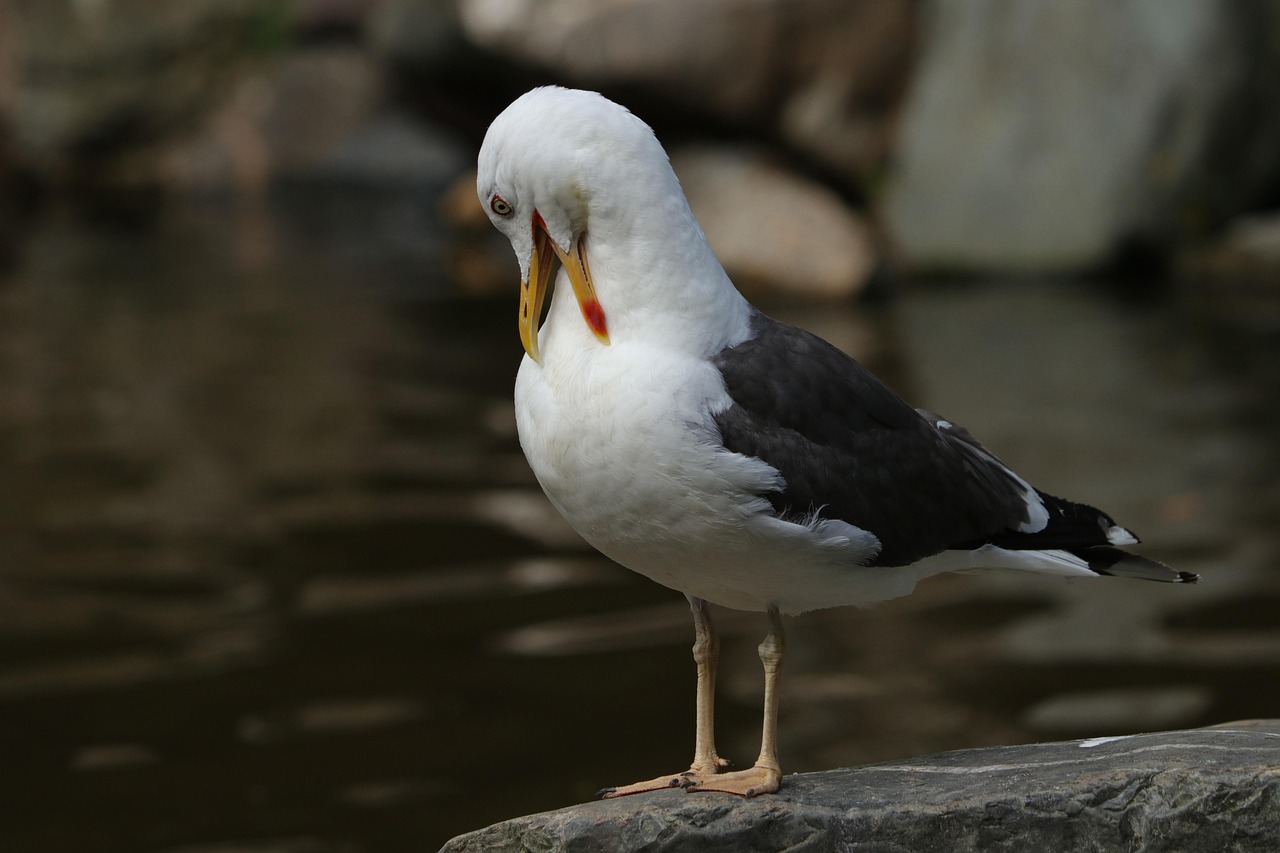
Largest gull in Quebec
Larus marinus: 71–79 cm, black back, white head/neck/belly, yellow bill with a red spot, pink legs. Juveniles are mottled brown-black; adults at 4 years of age.
Gaspé habitat
Coastal islands, St. Lawrence/Gulf estuaries (Gaspé-Percé). Nests in mixed colonies with eiders (May–June), migrates inland for the winter.
Local behavior
Dominant predator: feeds on fish, eggs, and small birds. Hoarse “cao-cao” calls. Opportunistic at marine waste sites.
Herring Gull
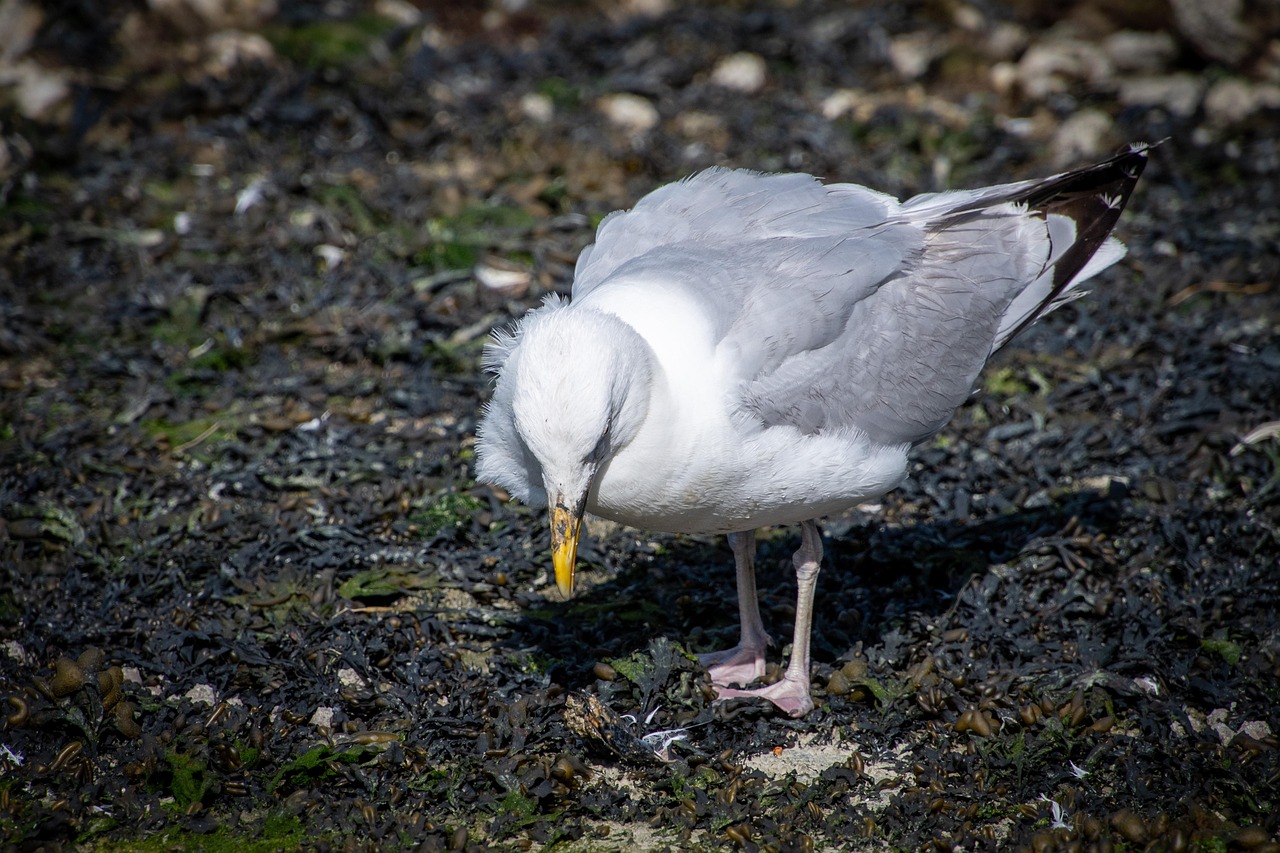
Common Herring Gull
Larus argentatus: 60 cm, pale gray back, white head and body, yellow bill with a red spot, pink legs. Wings: black tips with white spots. Takes 4 years to reach adult plumage.
Gaspé Peninsula Distribution
St. Lawrence Coast/Gulf, islands, ports (Matane-Percé). Breeding colonies May–July; opportunistic feeder: garbage, fish, earthworms.
Local Behavior
Social, noisy. Winter plumage: brown streaks on head. Drinks saltwater. Recent urban expansion.